Tips from a Japanese Local Angler.
Chiba: Iioka Port, Isumi Port | Ibaraki: Kashima Port | Shizuoka: Izu Area
Follow for more Japan fishing tips: @japanfishingtips
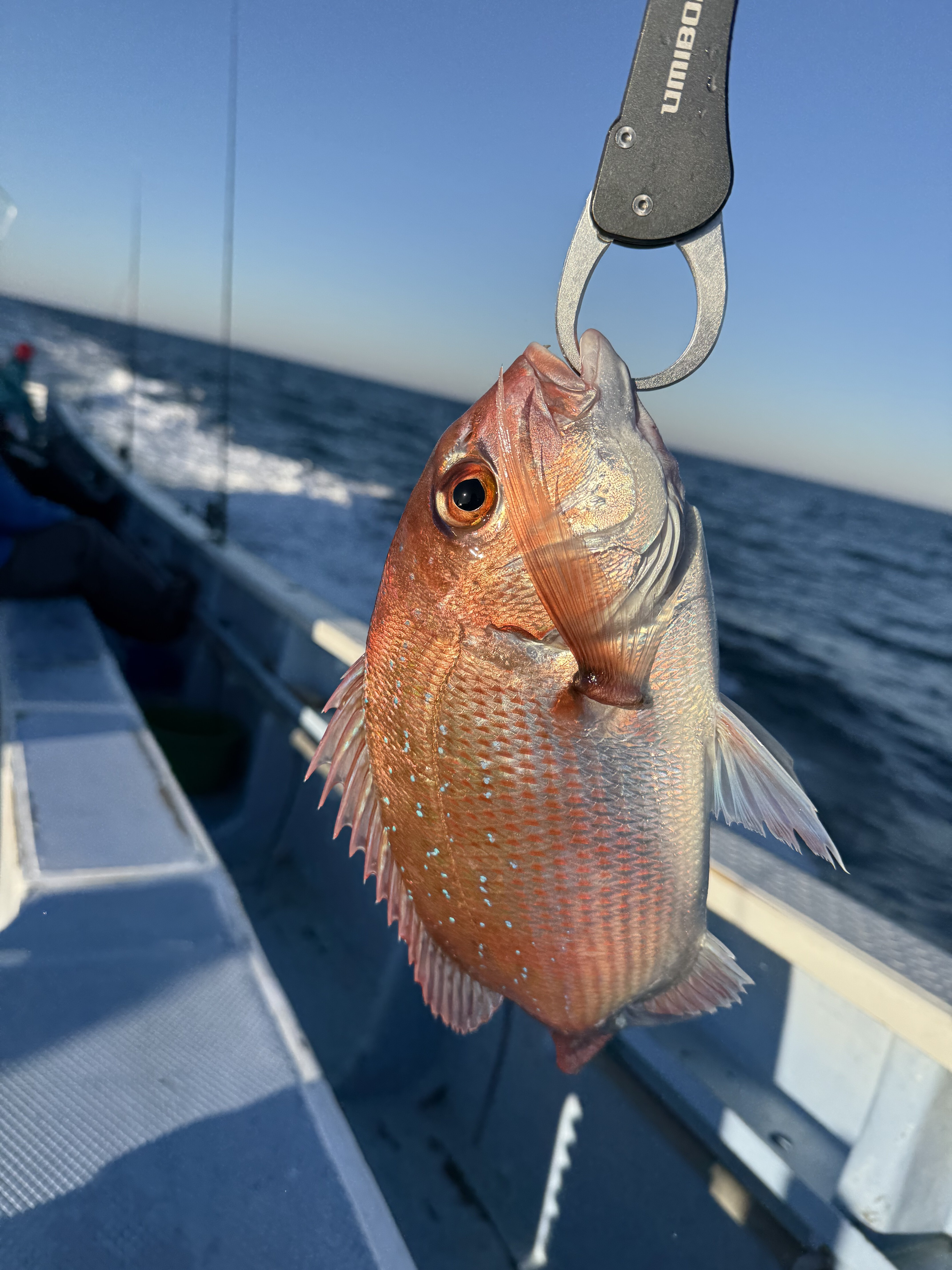
If there’s one fish that captures the soul of Japanese fishing culture, it’s the Madai (真鯛) — the Red Sea Bream. Revered for centuries as a symbol of good luck and celebration, Madai is not just a prized catch on the dinner table. For serious anglers, landing a big Madai in the wild waters around Japan is a bucket-list experience.
I’ve been chasing Madai in Japan, mainly around the suburbs of the greater Tokyo area for years, and in this guide, I’ll share everything a foreign angler needs to know — from the best seasons and techniques to where to find charter boats and what gear to bring.
What is Madai? Japan’s Most Celebrated Fish
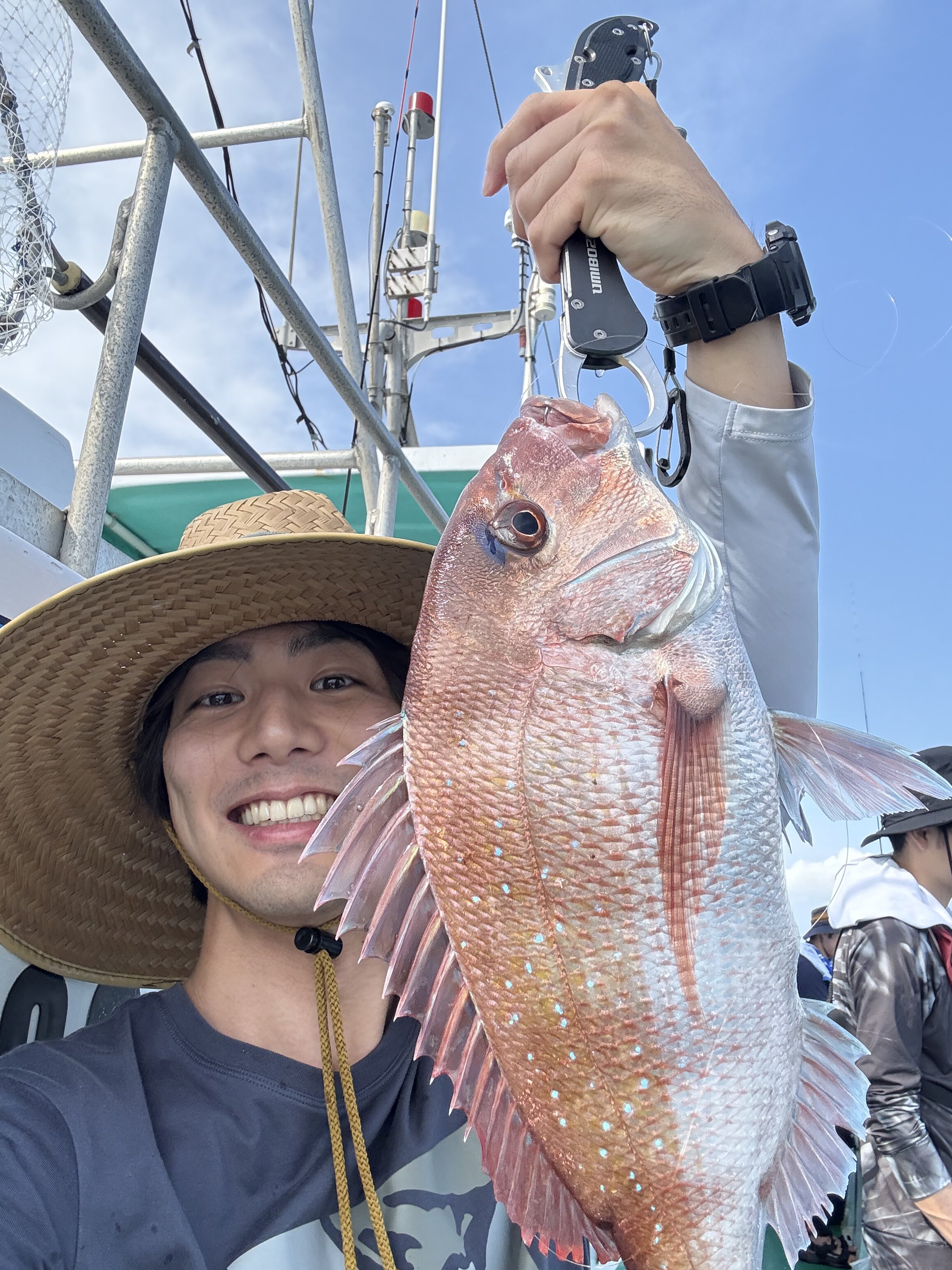
Madai (Pagrus major) is a pink-red sea bream found throughout the coastal waters of Japan, Korea, and China. In Japan, it holds a place of deep cultural significance — it’s traditionally served at weddings, New Year celebrations, and festivals. The name itself comes from ma (true/genuine) and tai (sea bream), essentially meaning “the real sea bream” — a title it has earned both culturally and among anglers.
Adult Madai can grow up to 1 meter in length and weigh over 10kg, though most catches range between 1–5kg. Their firm, delicate white flesh is considered among the finest eating fish in Japanese cuisine.
Best Seasons to Catch Madai in Japan
Madai can be caught year-round, but there are two peak seasons every serious angler should know.
Spring (March–May): Sakura Dai Season
Spring Madai — called Sakura Dai (桜鯛) after the cherry blossoms — are widely regarded as the best eating of the year. As water temperatures rise, large schools of Madai move into shallower coastal waters to spawn. This is the prime time for both boat fishing and shore fishing.
Autumn (September–November): Momiji Dai Season
Autumn Madai — called Momiji Dai (紅葉鯛) after the autumn leaves — fatten up before winter and fight hard. Fish caught in autumn tend to be heavier, making this season popular with anglers targeting trophy fish.
💡 Insider Tip: Avoid Late December if You Can
In Japan, Madai is considered very good luck and is a central ingredient in traditional New Year celebration dishes. As a result, fishing boats are often packed with eager anglers in late December. As a tourist or visitor, you may find it difficult to book a charter boat during this period — it’s worth planning around this rush if flexibility allows.
Where to Fish for Madai in Japan
Top Recommended Ports for Foreign Anglers
The following ports are well-established Madai fishing destinations with experienced charter operators and convenient access from major cities.
- Iioka Port, Chiba Prefecture — One of the most active Madai charter hubs on the Pacific coast, with excellent access from Tokyo.
- Recommended Charter: Baika-Maru — Family owned, very friendly with years of experience in the Iioka area. (Note: English speakers are not expected, as is common in rural Japan.)
- Isumi Port, Chiba Prefecture — A quieter, scenic alternative with reliable Madai fishing year-round.
- Recommended Charter: Chofuku-Maru — Friendly charter boat with a long history in the area. Popular among Japanese anglers.
- Kashima Port, Ibaraki Prefecture — Known for large Madai catches, particularly in spring and autumn.
- Recommended Charter: Daiei-Maru — Family owned, 25 years in the business.
- Izu Area, Shizuoka Prefecture — Deep, clear waters with dramatic underwater topography ideal for big Madai.
- Recommended Charter: DaigoHouei-Maru
Other Top Madai Destinations in Japan
- Genkai Sea (Fukuoka, Kyushu) — Famous for large Madai in deep offshore waters
- Seto Inland Sea (Hiroshima/Okayama) — Calmer waters, great for beginners
- Sagami Bay (Kanagawa) — Easily accessible from Tokyo
Madai Fishing Techniques
There are four main techniques used to target Madai in Japan, each suited to different conditions and experience levels.
1. Tai Tenya (タイテンヤ) — Traditional & Highly Effective
Tai Tenya is one of the oldest and most respected Madai techniques in Japan. A weighted hook rig baited with a live or fresh prawn is dropped to the bottom and worked with subtle rod lifts and pauses, imitating a shrimp crawling along the seabed.
Two main styles:
- Fixed Tenya (固定式テンヤ) — The prawn is fixed directly to the weighted hook. Simple to use and effective in shallower water (under 30m). Great for beginners.
- Sliding Tenya (遊動式テンヤ) — The weight slides freely on the line, allowing the prawn to move more naturally. Better for deeper water and finicky fish. Main method used on Iioka Port charter boats in Chiba.
Recommended depth: 10–50 meters. Best fished on a slow drift with the current.
🎣 Personal Preference: I usually stick with Sliding Tenya, as it gives a natural drift to the bait. Use the lightest weight possible to feel the bottom — a more natural drift means Madai are far more likely to take the shrimp!
2. Tai Rubber (タイラバ) — The Most Popular Modern Method
Tai Rubber is a widely used technique for targeting Madai in Japan. The lure mimics a small crab, shrimp, or other crustacean swimming up from the bottom and triggers the Madai’s instinctive strike response.
How it works:
- Lower the Tai Rubber lure to the bottom
- Reel in at a slow, steady pace — consistency is key
- The strike often comes as a subtle tap, tap, pull — don’t set the hook too early
- Keep reeling until you feel solid weight
Recommended depth: Similar to Tenya depth. Tai Rubber can often be used on the same depth as Tai Tenya.
3. Madai Jigging (マダイジギング)
Vertical jigging with metal jigs (60–150g depending on depth and current) is effective when Madai are active in mid-water. This technique requires more physical effort but can produce explosive strikes and is exciting on light tackle.
4. Bait Fishing (エサ釣り) — The Classic Shore Method
For shore-based anglers, bait fishing with prawns on a float rig remains highly effective, especially from a jetty, rocky points, and breakwaters.
- Hook: Circle hook or Madai-specific hook, size 7–10
- Leader: Fluorocarbon 3–5 lb
- Float: Set at 3–8 meters depth depending on conditions
Recommended Gear for Madai Fishing
For Boat Fishing (Tai Tenya / Tai Rubber):
- Rod: Dedicated Tai Tenya or Tai Rubber rod, 6.5–7ft, medium action. A similarly sensitive light lure rod also works well.
- Reel: Spinning or baitcast reel, 3000–4000 size. Spinning is preferred.
- Line: PE braid 0.6–1.0, with 2–3m fluorocarbon leader
- Lure/Rig: Tai Rubber 60–120g or Tai Tenya 6–12 “Go” (22.5g–56.25g). Note: “Go” is a traditional Japanese fishing unit; 1 Go = 3.75g.
For Shore Fishing:
- Rod: Medium surf or rock fishing rod, 9–12ft
- Reel: 3000–5000 size spinning reel
- Hooks: Madai-specific hooks (available at any Japanese tackle shop)
💡 Tips: Japanese tackle brands like Shimano and Daiwa produce Madai-specific gear that is significantly better than generic equivalents. You can also usually rent Tai Tenya gear directly from the charter boat.
How to Book a Madai Fishing Charter
Fishing charter boats (Yugyosen 遊漁船) operate at all the ports listed above. Most local captains have decades of experience and know the best spots intimately.
- Cost: Typically ¥8,000–¥15,000 per person for a half or full day
- What’s included: Boat, bait, and captain’s expertise
- Language: Most captains speak Japanese only — Google Translate will be necessary
- Booking: Many operate via phone or local fishing shop referrals
- Timing: Avoid late December — boats fill up fast with New Year’s anglers
📸 Need Help Booking a Charter?
Charter boat culture in Japan is close-knit and most operators communicate only in Japanese. I offer a personal booking assistance service to help foreign anglers connect smoothly with the right charter boat — from finding availability to coordinating on your behalf.
📩 Reach out on Instagram: @japanfishingtips
Eating Your Catch: Madai in Japanese Cuisine
One of the great joys of Madai fishing in Japan is what comes after. Freshly caught Madai is exceptional prepared as:
- Sashimi (刺身) — raw, thinly sliced; the flesh is firm and subtly sweet
- Tai Meshi (鯛めし) — whole Madai steamed with rice, a beloved regional dish
- Shioyaki (塩焼き) — salt-grilled whole Madai, best enjoyed simply with lemon
- Kaburamushi — Madai steamed under grated turnip, a classic Kyoto-style preparation
For the freshest fish, I recommend cooking with heat. For raw consumption, aging the meat for a day or two brings out a soft texture and natural sweetness that truly makes the fish shine.
Fishing Licenses and Regulations
Foreign visitors can legally fish in Japan’s coastal saltwater without a national fishing license. However, some areas require a local Gyokyo (fishing cooperative) permit, typically purchased at a local tackle shop or fishing port for a small fee (¥500–¥1,500/day).
For boat fishing, your charter captain will handle all necessary permits. Always follow local size and catch limits — Japanese fishing communities take conservation seriously, and so should visiting anglers.
Final Thoughts
Madai fishing in Japan is more than a sport — it’s a connection to a centuries-old tradition that runs deep in Japanese coastal culture. Whether you’re dropping a Tai Tenya rig in the clear waters off Chiba, casting from a rocky breakwater at dawn, or sitting aboard a local charter boat as the Pacific sun rises over Kashima, the experience stays with you. To catch the bristling pink and blue dotted beautiful Madai will surely be a great memory of your stay in Japan — and I’m sure the photo of you holding a Madai will draw a heartfelt “wooow” from every Japanese person you meet.
If you have any questions or want help planning your Madai fishing trip, feel free to reach out on Instagram: @japanfishingtips.
Frequently Asked Questions
Can foreigners fish for Madai in Japan without a license?
Yes, saltwater fishing does not require a national license in Japan. Some local areas require a small day permit — ask at the local tackle shop.
What is the best month to catch Madai in Japan?
April and May (spring spawning season) and October (autumn feeding season) are peak times. Avoid late December if you want to easily book a charter boat.
What is the difference between Tai Tenya and Tai Rubber?
Tai Tenya uses a real prawn as bait and is more traditional, while Tai Rubber uses a rubber skirt lure. Tai Tenya is often more effective in shallower water; Tai Rubber excels at depth. Many experienced anglers carry both.
What size Madai can I expect to catch?
Most fish range 0.5–3kg. Fish over 5kg are considered trophy catches and are not uncommon in deeper offshore waters off Chiba and Ibaraki.
Is Tai Rubber fishing suitable for beginners?
Yes — it’s one of the most beginner-friendly offshore techniques. The retrieve is simple and consistent. Tai Tenya is equally accessible once you get the rhythm of the lift-and-drop.
About the Author
I have been fishing for as long as I can remember, and over the years I have explored a wide range of styles — from lure fishing to bait fishing and everything in between. Nothing brings me more joy than experiencing Japan’s breathtaking nature through fishing, from the northern waters of Hokkaido all the way down to the tropical shores of Okinawa. Having lived in both the United States and Finland, I have also had the pleasure of casting a line in waters far beyond Japan — and I try to bring that international perspective to everything I write.
Follow along on Instagram: @japanfishingtips